*A trigger warning for this one – all the heavy things. Terminal illness, suicide, and assisted suicide are the conversation here.
An area that I grapple with often, both as a nurse and as a member of the chronic illness and chronic pain communities, is the right to die, to physician assisted death. No, this is not in context of myself – it is one that I am wrestling with as I am back into writing my book on death and dying – and it has come to my attention today via an article in The New York Times.
Let me begin by sharing the piece, an article about a physician, Stephen Miller, who no longer has a medical license, is now in his eighties, and is a passionate participant in a group called Choice and Dignity, advocating for the right to die for terminally ill and *also* – here is where the waters get even more muddy – chronically ill – patients.
As a member of this advocacy group – and as someone with years of medical knowledge – he has been charged with assisting a chronically ill person, Doreen Brodhead, commit suicide in New York.
He is now facing manslaughter charges.
NYT Dr. Miller Assisted Suicide article.
This case raises many questions – and also has me focusing on the part of my book research that relates to right to die issues in general.
While it is an immense and complex topic, we have to start somewhere – so, anticipating further discussion later, I’m just going to talk about a few basic things.
In the 1990’s, the conversation around physician assisted dying largely centered around a controversial figure who likely requires no introduction to people my age and older – Dr. Jack Kevorkian. Believing that terminally ill patients have the right to choose to end their suffering, he assisted with some 130 patient deaths before being imprisoned until he was himself near death.
(An aside: one of the more unusual experiences of my research life was to actually see his “Mercitron” device that several of his patients used to assist their departures at the Museum of Death in New Orleans. It was surreal.)
During those times, I never perceived Dr. Kevorkian to be a bad man. Contrary, he truly seemed to want to alleviate suffering. His statement shortly before his death: “My aim in helping the patient was not to cause death. My aim was to end suffering. It’s got to be decriminalized.”
Holding that thought, years passed and several states passed laws allowing for physician assisted suicide with strict parameters. I was aware of this and would see occasional cases related to those laws and questions that have arisen.
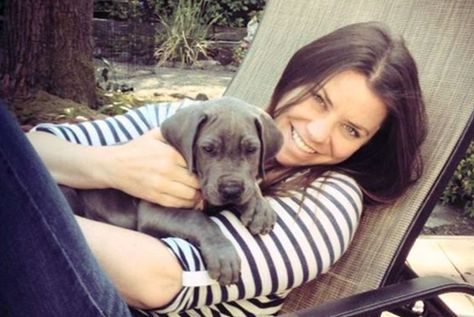
However, in 2014, the story of Brittany Maynard caught my attention – and that of many other people – as she moved from California to Oregon to avail herself of the state’s assisted dying laws when she was living with an aggressive form of glioblastoma at age 29 – facing rapid progression of her disease process, no more available treatment, and daily seizures worsening as her brain tumor grew.
Out of options, she chose to spend her remaining time – and it was short – with her loved ones, travelling as she loved to do, and also using her unique platform to speak for the right to die for all terminally ill patients in the United States.
I am going to let her tell her own story:
(Brittany passed away on November 1, 2014. May her memory be a blessing.)
Bearing in mind the stories of many like Brittany – where the answer seems clear – I also have to express concerns that I have in considering the right to die in different circumstances.
Recently, in working on a separate project related to eating disorders and body image, I came across an article about a controversy in Oregon where some physicians are considering “terminal anorexia” as cause for end of life medications.
There are arguments to be made on both sides – but it is difficult to find clarity in these situations when dealing with a psychiatric or chronic illness – not clinically terminal – and a physician prescribing life-ending medication.
The Guardian Terminal Anorexia piece.
Then I also would share another story related to a young woman in Belgium, who has won the right to die based on extreme mental suffering – that we might also understand her perspective as we consider these issues:
These are complex questions – and lives in the balance when they are considered.
I’ll be sharing as I’m reading more in the coming weeks and learning.
(An aside – I’m also picking back up my tag *memento mori book* where I’ll be sharing pieces related to my work on my death book. No worries if they aren’t for you; I just want to pass along for my readers who are interested. ❤ )

Be well, everybody. Take care of yourselves and each other.
Grace and Blessings.
 the autoimmune hippie.